Many people who are drinking heavily have not thought of themselves as physically dependent on alcohol. They may drink a great deal, more than they would like to, but they think of it as a habit — not a physical condition. The distinction matters clinically. If your body has become physically dependent on alcohol, stopping without medical support can be dangerous. Knowing the signs helps you make a safe and informed decision.
Signs of physical alcohol dependence
- You experience physical symptoms when you stop drinking or significantly reduce — tremor, sweating, anxiety, nausea, or poor sleep.
- You drink in the morning or shortly after waking to relieve withdrawal symptoms or manage anxiety.
- You have tried to stop or cut down and found you could not.
- Your alcohol consumption has been increasing over time to achieve the same effect.
- You have experienced a seizure or significant episode of confusion during a previous attempt to stop.
- Other people have expressed concern about how much you drink.
- You are neglecting responsibilities, relationships, or your own health because of your drinking.
Signs that you need medical supervision to stop
If any of the following apply, attempting to stop drinking without medical support is not safe:
- You have previously had a seizure during alcohol withdrawal.
- You have experienced delirium tremens — severe confusion, hallucinations, or extreme agitation when withdrawing.
- You drink more than 20–30 units per day.
- You have been drinking heavily for several years.
- You have significant liver disease, heart disease, or other serious health conditions.
- You experience significant tremor, sweating, or anxiety within hours of your last drink.
What medically assisted detox provides
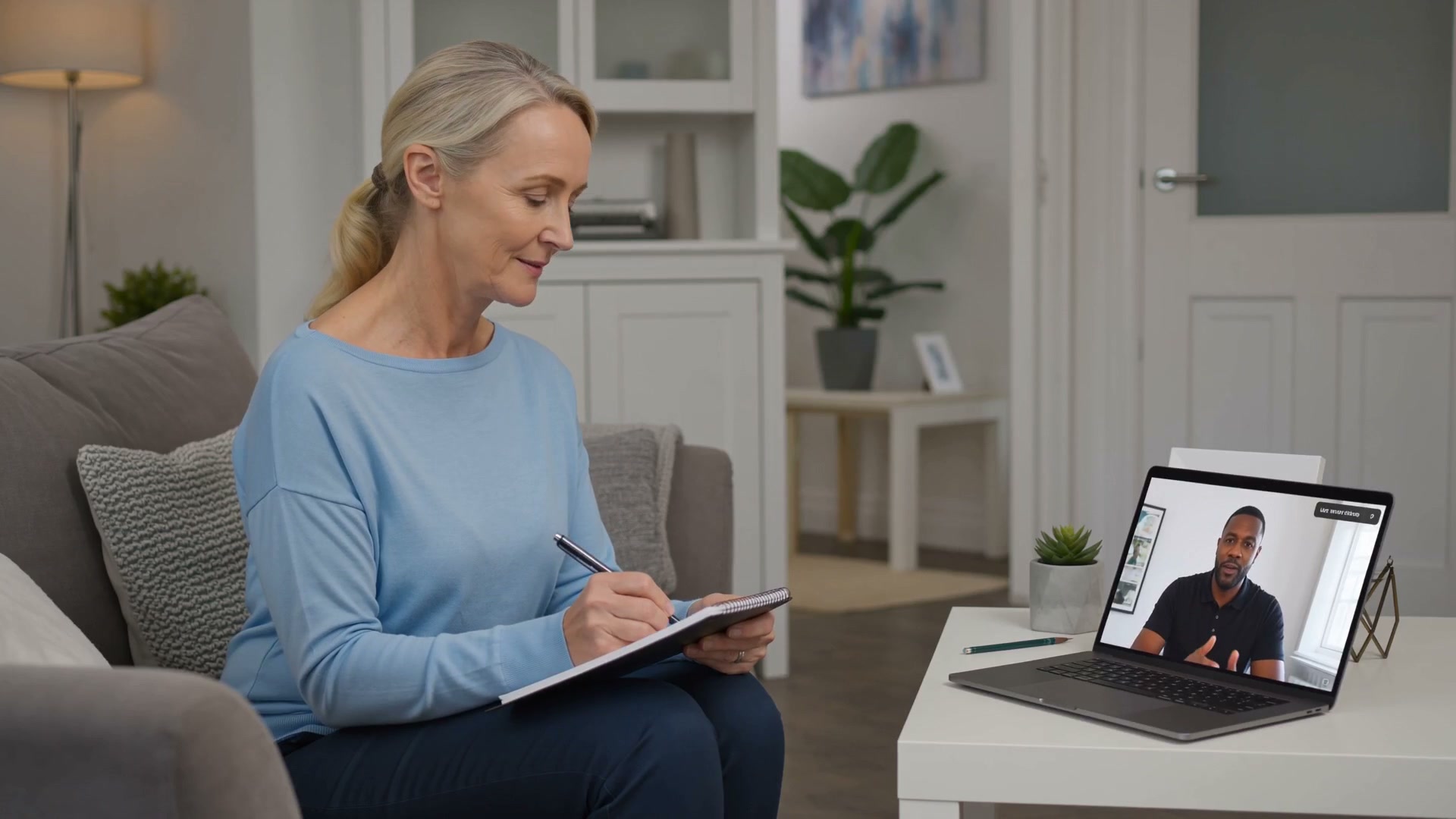
Medically assisted detox provides the clinical oversight needed to manage withdrawal safely. This means a prescriber writing an individualised medication plan, a nurse monitoring your withdrawal daily, a clear escalation pathway, and clinical support at every stage. It is not about being managed — it is about being safe while your body adjusts. For most people who need it, medically assisted home detox is the most practical, private, and clinically appropriate option.
This article is for general information. If you are unsure about your level of dependence or withdrawal risk, please consult your GP or a specialist.