Frequently asked questions
about home alcohol detox.
We know that choosing to seek help for alcohol dependence involves a lot of questions. We have answered the most common ones below. If you can't find what you're looking for, call us on 07951 054 041.
Your questions answered
honestly.
We have gathered the questions patients and families ask us most often. Some answers are straightforward. Where the clinical picture is more complex, we say so rather than oversimplify.
If there is something specific about your situation that isn't covered here, call us directly — a clinician will speak with you, not a call handler.
Can alcohol withdrawal be dangerous?+
Yes. Alcohol withdrawal can cause serious medical complications in physically dependent drinkers, including seizures, delirium tremens (severe confusion and hallucinations), and in rare untreated cases, death. The risk is highest in people with a long history of heavy drinking, previous withdrawal complications, or significant comorbidities. This is why medically supervised withdrawal management is so important.
Can alcohol withdrawal cause seizures?+
Yes. Alcohol withdrawal seizures typically occur between 6 and 48 hours after the last drink. They are more common in people who have had previous withdrawal seizures, those who drink very heavily, and those who have made multiple previous attempts to stop. Chlordiazepoxide, the medication used during a medically supervised detox, significantly reduces the risk of seizures when prescribed at the appropriate dose.
Can I detox from alcohol without going to hospital?+
Yes — for suitable patients. Home detox with proper clinical supervision is a safe, effective, and clinically validated approach to alcohol withdrawal management. It is not appropriate for everyone — people with a history of seizures or delirium tremens, severe liver disease, pregnancy, or significant comorbidities should detox in a hospital or inpatient setting. Our self-assessment tool will help you understand whether home detox is right for you.
Take the self-assessmentWho is home alcohol detox not suitable for?+
Home detox is not appropriate for patients with a history of delirium tremens, previous alcohol withdrawal seizures, severe liver disease, active suicidality, unstable housing, polysubstance dependence, pregnancy, or an uncontrolled seizure disorder. If any of these apply, we will tell you directly and help you access the right level of care.
Read the clinical exclusion criteriaWhat medication is used during alcohol detox?+
The standard medication is chlordiazepoxide, commonly known by the brand name Librium. It is a benzodiazepine that reduces the neurological over-stimulation caused by alcohol withdrawal and prevents seizures. Your prescriber determines your dose based on your drinking history, weight, liver function, and other clinical factors. Thiamine (Vitamin B1) supplementation is also routinely included.
Full guide to detox medicationWhat blood tests are needed before detox?+
Before prescribing begins, we review your liver function tests (ALT, AST, GGT, bilirubin, albumin), kidney function (creatinine, eGFR), and full blood count. In some cases additional tests may be required. We will advise on the fastest way to obtain blood tests in your area, and your prescriber will review the results before writing your programme.
How long does alcohol detox take?+
Most programmes last 7–10 days, depending on the level of physical dependence. Your prescriber will give you a clear estimated timeline during your initial assessment. The acute medication regime is typically completed within this period, after which the nurse visit schedule may be reduced.
How long does detox take?Can I work during detox?+
For most people, the first three to five days of detox involve significant physical symptoms — fatigue, tremor, poor sleep, and sometimes nausea. Most patients are not in a position to work effectively during this period. Whether you can work during detox depends on the nature of your role and the severity of your withdrawal. Discuss this with your prescriber during your assessment.
What happens after detox?+
Detox removes alcohol from your system. Aftercare is what helps you stay free. Before your programme ends, your clinical team works with you on a relapse prevention plan — this may include medication (Acamprosate or Naltrexone), counselling referrals, peer support, and a GP discharge summary. We are happy to discuss your aftercare options at any stage of your programme.
What happens after detox?Is home alcohol detox confidential?+
Yes. All information you share with Ash Rehab is held in strict confidence and handled in full compliance with UK GDPR. We do not share your information with employers, family members, insurers, or any third party without your explicit consent. We will only contact emergency services if you are in immediate danger, and your GP only with your knowledge and consent.
Our confidentiality policyWill my GP be informed?+
We send a clinical summary to your GP on completion of your programme unless you explicitly ask us not to. We discuss this during your initial assessment. In most cases, GP notification is in your best clinical interest — but the decision is always yours.
Will my employer find out?+
No. We do not contact employers under any circumstances. Your medical information is never shared with insurers, employers, or family members without your explicit written consent.
How quickly can I start?+
In most cases, we can conduct your clinical assessment the same day you contact us, and begin your programme within 24–48 hours. Call us on 07951 054041 to confirm current availability.
How much does private alcohol detox cost?+
Our pricing is transparent and fixed — there are no hidden charges or additional fees for nurse visits. Please call us on 07951 054041 to discuss the current fee structure, or request an assessment online and we will discuss costs during your clinical call.
Is private detox covered by health insurance?+
This depends on your insurer and policy. An increasing number of health insurance policies cover private substance misuse treatment. We can provide the clinical documentation most insurers require for a prior authorisation request.
Does someone need to be with me during detox?+
Yes. A responsible adult must be present throughout your detox programme. This is a clinical safety requirement, not a preference. It is one of the factors assessed during your initial clinical assessment.
What areas do you cover?+
We cover Hertfordshire, London, Enfield, Watford, St Albans, and surrounding areas. Call us on 07951 054041 to confirm coverage for your specific postcode.
Clinical guides & service pages.
The honest clinical picture — risks, safeguards, and who is suitable.
Alcohol withdrawal timelineWhat to expect from the first six hours to day seven and beyond.
Home alcohol detox — the serviceHow our medically supervised programme works from first call to discharge.
Clinical governanceOur CQC registration, prescribing framework, and published governance.
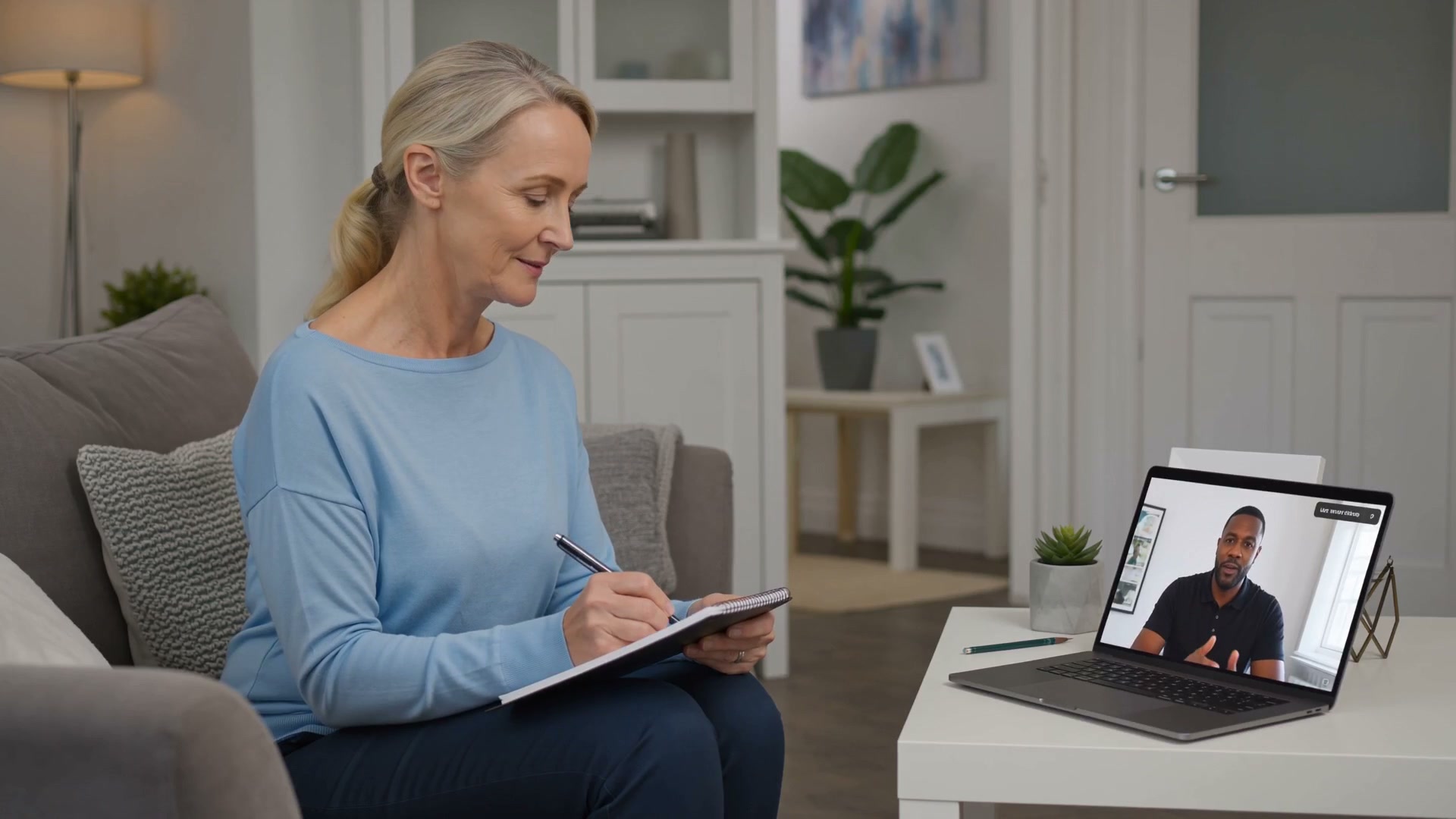
A prescribing doctor.
From your sofa.
Your first assessment is a 25-minute video call with a GMC-registered prescriber. No waiting room, no clinic, no disclosure to anyone you have not chosen to tell. Four short questions, answered honestly, will tell us whether a home detox is the right setting for this moment in your life.