When is home alcohol detox not appropriate?.
Being honest about who home detox is not appropriate for is one of the most important things a responsible clinical service can do. This page sets out the specific clinical contraindications — the situations in which we will advise against home detox and help you access a more appropriate level of care.
Begin your assessmentHome detox is not appropriate if you have:
Home detox is not appropriate if you have:
A history of delirium tremens (DTs)
If you have experienced delirium tremens during a previous withdrawal, you have a significantly elevated risk of experiencing it again. DTs involve severe confusion, hallucinations, extreme agitation, and cardiovascular instability. They require inpatient medical management. Home detox is not safe for patients with this history.
Previous alcohol withdrawal seizures
A previous seizure during alcohol withdrawal is a strong predictor of future seizure risk. Seizures during withdrawal can cause physical injury, aspiration, and in severe cases, brain injury. While medication reduces the risk, the risk cannot be eliminated in a home setting for patients with this history.
Severe liver disease
Advanced liver disease (Child-Pugh class B or C cirrhosis, or acute alcoholic hepatitis) significantly affects how the body processes benzodiazepine detox medication. Dosing becomes unpredictable and the risk of hepatic encephalopathy increases. Patients with severe liver disease should detox in a hospital setting.
Active suicidality or severe mental health crisis
If you are experiencing active thoughts of suicide or self-harm, your immediate need is for mental health crisis support, not a detox programme. Please contact your GP, call 999, or call the Samaritans on 116 123 in the first instance.
Unstable or unsupported living situation
A safe, stable home environment with at least one responsible adult present throughout the programme is a clinical requirement for home detox. Patients who are homeless, in temporary accommodation, or who would be entirely alone throughout cannot be safely supported in a home setting.
Polysubstance dependence
Physical dependence on benzodiazepines or opioids in addition to alcohol creates a significantly more complex withdrawal picture. Benzodiazepine withdrawal carries its own serious risks that interact with alcohol withdrawal in ways that require specialist inpatient management.
Pregnancy
Alcohol withdrawal in pregnancy carries specific risks to both the mother and the foetus. Pregnant patients who are alcohol dependent should be assessed and supported by a specialist obstetric and addiction medicine team in a hospital setting.
Uncontrolled seizure disorder
A pre-existing seizure disorder that is not well controlled by medication creates additional complexity and risk during alcohol withdrawal. These patients require inpatient monitoring by a specialist team.
What happens if home detox is not right for you
If you contact Ash Rehab and your clinical assessment indicates that home detox is not appropriate, we will tell you clearly, explain why, and help you understand what the right alternative is. We do not leave patients without a pathway. Options may include: NHS inpatient detox (via GP referral), private residential detox, hospital-based medically managed withdrawal, and NHS community alcohol team support.
- Your GP — first point of contact for referral to NHS services.
- Drinkline: 0300 123 1110 (free, confidential NHS helpline).
- FRANK: 0300 123 6600 (24 hours, free).
- Alcoholics Anonymous: aa.org.uk.
Clinical note: This page is for general clinical information only. If you are experiencing severe withdrawal symptoms or a medical emergency, call 999 immediately.
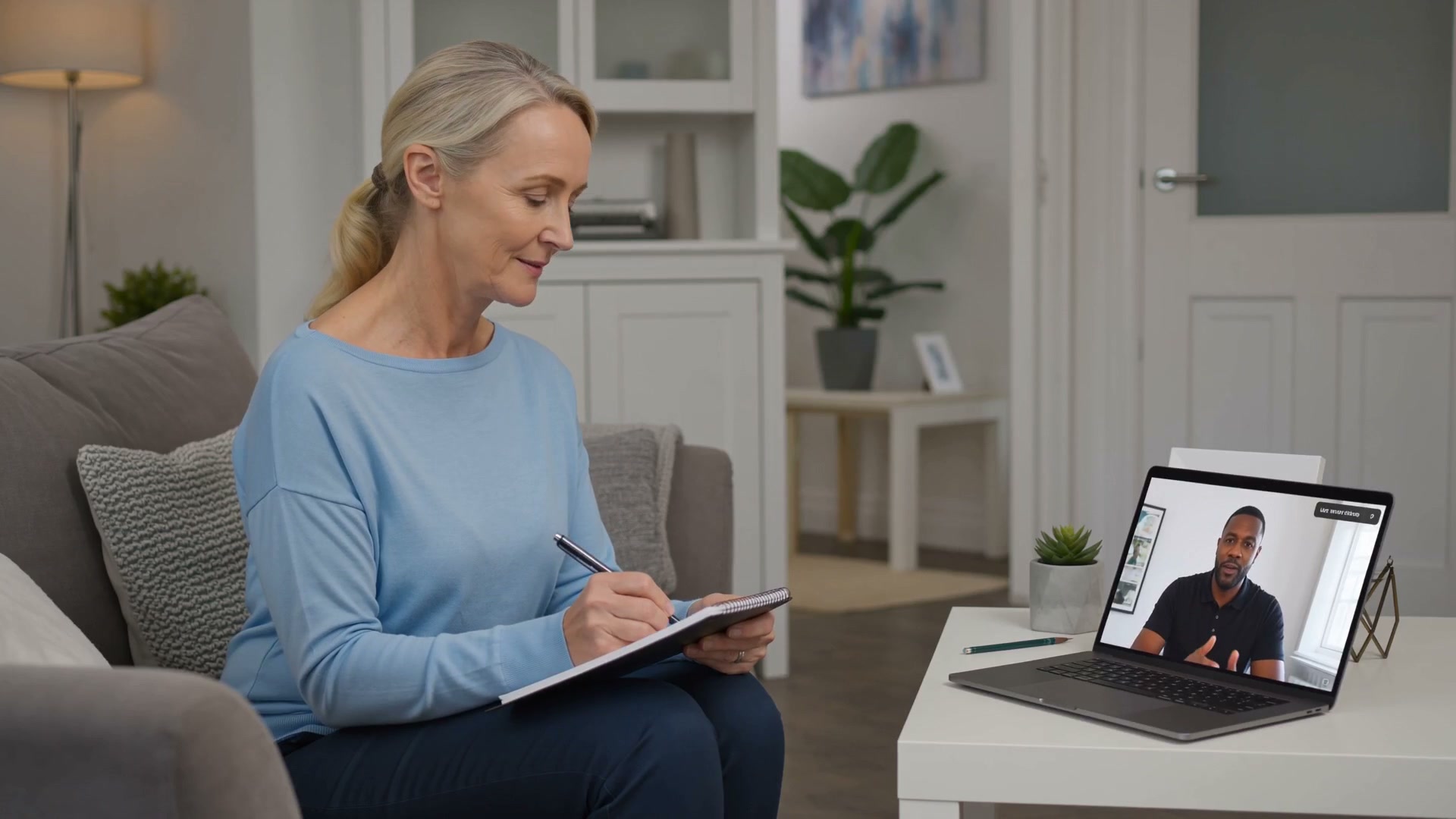
A prescribing doctor.
From your sofa.
Your first assessment is a 25-minute video call with a GMC-registered prescriber. No waiting room, no clinic, no disclosure to anyone you have not chosen to tell. Four short questions, answered honestly, will tell us whether a home detox is the right setting for this moment in your life.