How to choose a private alcohol detox provider.
The home detox market in the UK is not uniformly regulated. Not all services that describe themselves as medically supervised provide genuine clinical oversight. Knowing what questions to ask — and what answers to expect from a genuinely safe provider — can protect you or the person you are trying to help. Here are the eight things you should check before choosing any private alcohol detox provider.
Begin your assessmentThe eight checks
The eight checks
CQC registration
The CQC is the independent regulator of health and social care in England. Any provider delivering regulated substance misuse treatment should be registered with the CQC. Registration is publicly verifiable at cqc.org.uk. If a provider is not registered, ask why.
Named GMC-registered prescriber
Home detox medication must be prescribed by a GMC-registered doctor. Ask the provider to confirm the name and GMC number of the prescriber responsible for your programme. A safe provider will give this information willingly.
Daily nurse home visits
Adequate monitoring during alcohol withdrawal requires daily clinical contact by a trained nurse, not weekly check-ins or telephone calls alone. Ask explicitly how often a nurse will visit, what each visit involves, and what assessment tool is used. The answer should include the CIWA-Ar scale.
Blood tests before prescribing
No responsible prescriber should write a detox regime without reviewing blood results first. Ask whether blood tests are required before your programme begins. If the answer is no, the prescribing is not clinically safe.
Published suitability criteria
A safe provider publishes clear information about who home detox is and is not appropriate for. If a provider will accept any referral regardless of clinical history, that is not a clinical service — it is a commercial one. Look for published exclusion criteria.
Emergency escalation pathway
Every patient should receive a written escalation plan before their detox begins. Ask the provider what their emergency protocol is, and whether it is provided to the patient in writing. Vague answers should concern you.
Relapse prevention and aftercare
Detox without aftercare planning significantly increases the risk of relapse. Ask whether relapse prevention support, medication options, and onward referrals are included in the programme. They should be.
Safeguarding policy
Any registered health service should have a published safeguarding policy. Ask to see it, or check whether it is available on their website. A provider that cannot point you to their safeguarding policy is not operating at the standard you should expect.
How Ash Rehab meets every one of these criteria
CQC registered (ID: 1-25982212615) · Named GMC prescriber · Daily NMC nurse home visits · Blood test review before prescribing · Published suitability and exclusion criteria · Written escalation plan for every patient · Relapse prevention built in · Published safeguarding policy.
A prescribing doctor.
From your sofa.
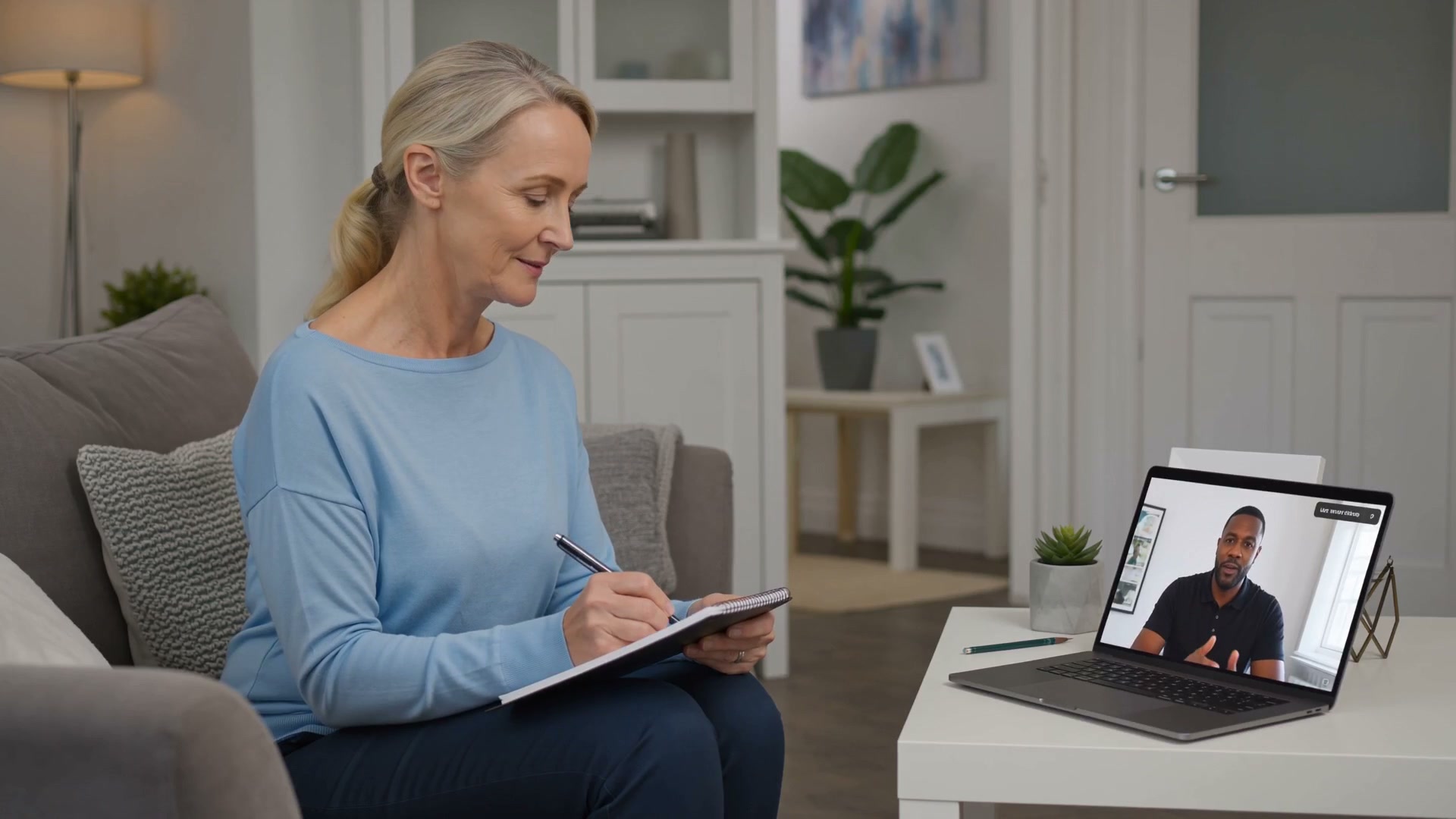
Your first assessment is a 25-minute video call with a GMC-registered prescriber. No waiting room, no clinic, no disclosure to anyone you have not chosen to tell. Four short questions, answered honestly, will tell us whether a home detox is the right setting for this moment in your life.