What happens during a medically supervised home detox?.
If you're considering home detox, knowing exactly what to expect at every stage will help you prepare practically, understand the clinical process, and feel more confident about the decision. Here is a complete, step-by-step guide to what a medically supervised home detox with Ash Rehab involves.
Begin your assessmentStep 1: initial clinical assessment
Your detox begins with a thorough clinical assessment by a GMC-registered prescriber. This takes place by phone or secure video call at a time that suits you. The assessment typically takes 30–45 minutes and covers:
- Your drinking history — how much, how long, and what your pattern of use looks like.
- Previous attempts to stop — including any withdrawal complications you've experienced.
- Your physical health, including any diagnosed conditions and current medications.
- Your mental health and current emotional state.
- Your home environment — who is there, how stable it is, and what support is available.
Step 2: blood tests and clinical review
Before any medication is prescribed, your blood results need to be reviewed. We check liver function (ALT, AST, GGT, bilirubin, albumin), kidney function (creatinine, urea, eGFR), full blood count, and where indicated, clotting studies. We will advise on the fastest way to obtain results in your area.
Step 3: your personalised detox plan
Your prescriber writes a detox programme specifically for you. This is not a standard protocol drawn from a template. It is an individualised plan based on your drinking history, weight, liver function, and any other clinically relevant factors. It includes the type of medication, the starting dose, a reducing schedule, and thiamine supplementation. The most commonly prescribed detox medication is chlordiazepoxide (Librium). Your prescriber will explain your regime clearly, including what to take, when, and what to do if you have concerns.
Step 4: daily nurse home visits
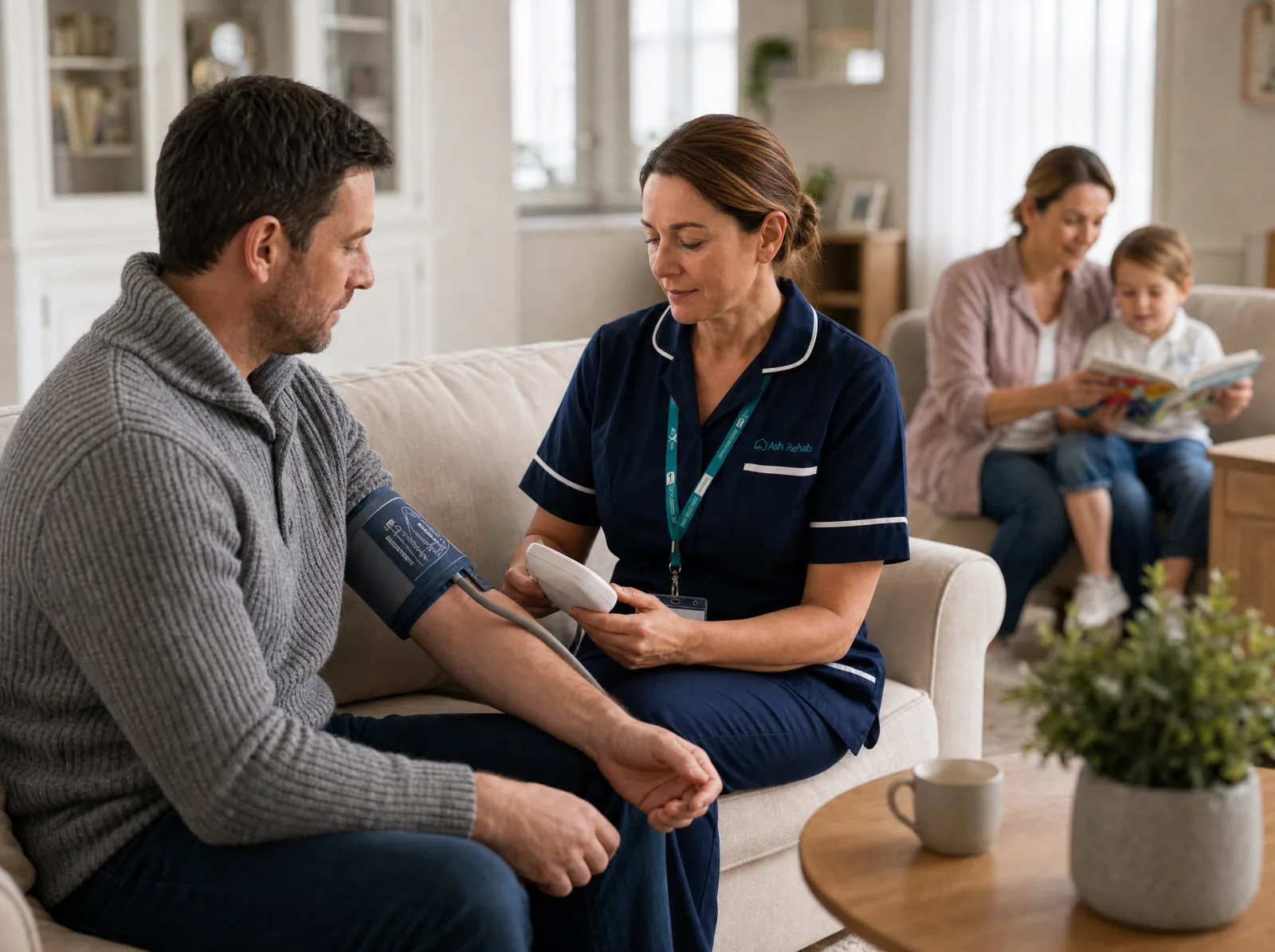
From day one of your detox, your NMC-registered nurse visits you at home every day. Each visit is a structured clinical interaction, not a check-in. It includes:
- CIWA-Ar assessment — a validated 10-item clinical tool that scores your withdrawal severity across tremor, sweating, anxiety, agitation, and perceptual disturbances.
- Vital signs monitoring — blood pressure, pulse, temperature, and oxygen saturation.
- Symptom review — any new or worsening symptoms are assessed and documented.
- Medication review — your nurse assesses whether your current dose is appropriate and communicates with your prescriber if adjustment is needed.
- Documentation — all clinical observations are recorded.
Step 5: monitoring between visits
Between nurse visits, you and your support person have a written escalation plan that tells you exactly what to monitor and precisely when to seek additional help. Your nurse provides guidance before leaving each day on what to watch for overnight and what to do if anything changes. You are never left without a clear plan.
Step 6: relapse prevention and psychosocial support
As your withdrawal resolves — typically from around day four or five — your clinical team begins relapse prevention work. This includes structured conversations about your relationship with alcohol, the factors that contribute to your drinking, and what recovery looks like for you specifically. Relapse prevention medication options — Acamprosate (Campral) and Naltrexone — are discussed with you during this phase.
Step 7: aftercare planning and discharge
Before your programme ends, your clinical team works with you on a written aftercare plan. This includes:
- Onward referrals to counselling, therapy, or peer support where appropriate.
- A summary letter for your GP (unless you ask us not to).
- Relapse prevention strategies specific to your situation.
- Clarity on what to do if you feel your recovery is at risk in the weeks or months after discharge.
Clinical note: This guide describes the typical Ash Rehab programme. Individual programmes may vary based on clinical assessment. All information is for general guidance only.
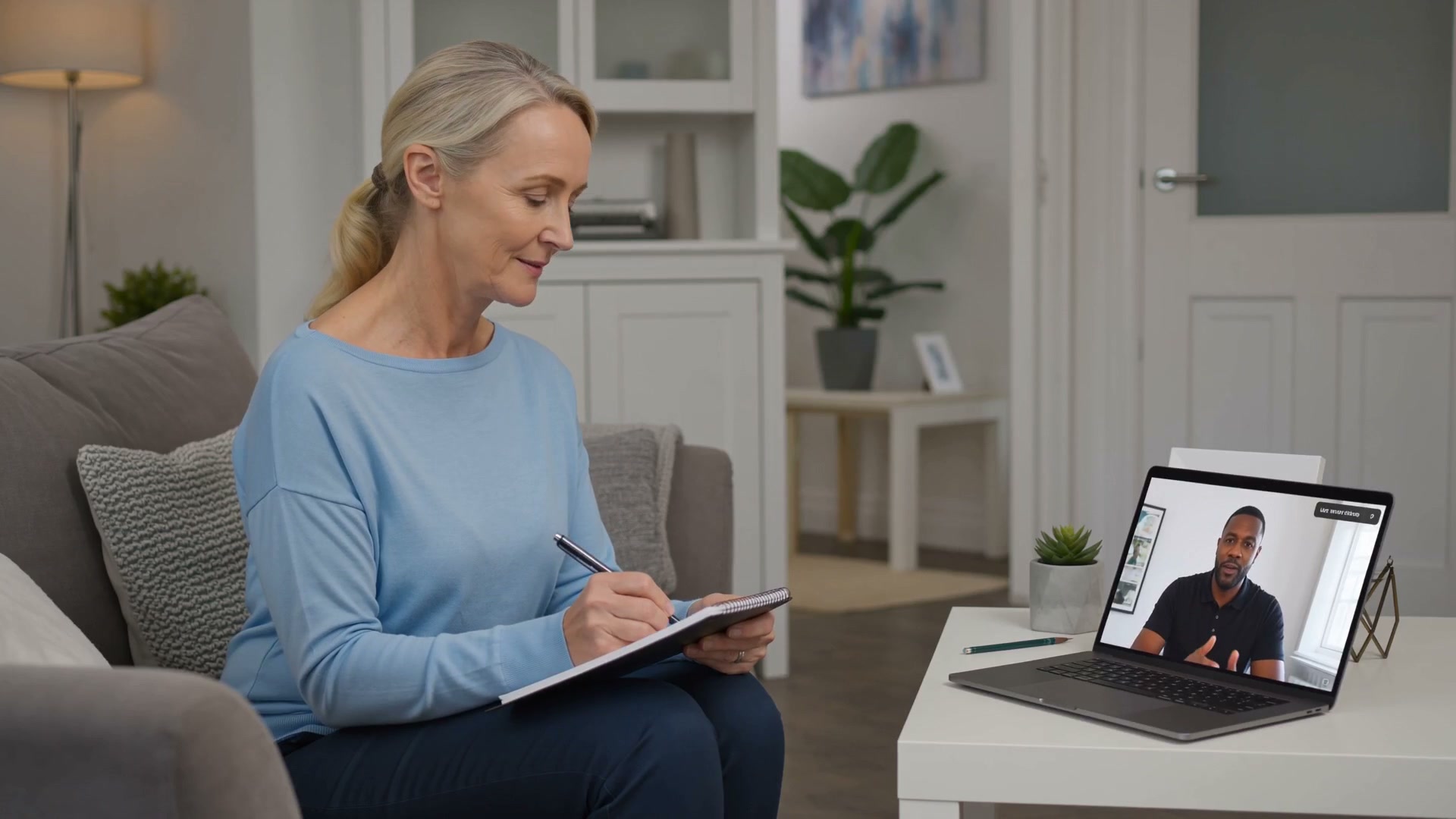
A prescribing doctor.
From your sofa.
Your first assessment is a 25-minute video call with a GMC-registered prescriber. No waiting room, no clinic, no disclosure to anyone you have not chosen to tell. Four short questions, answered honestly, will tell us whether a home detox is the right setting for this moment in your life.